
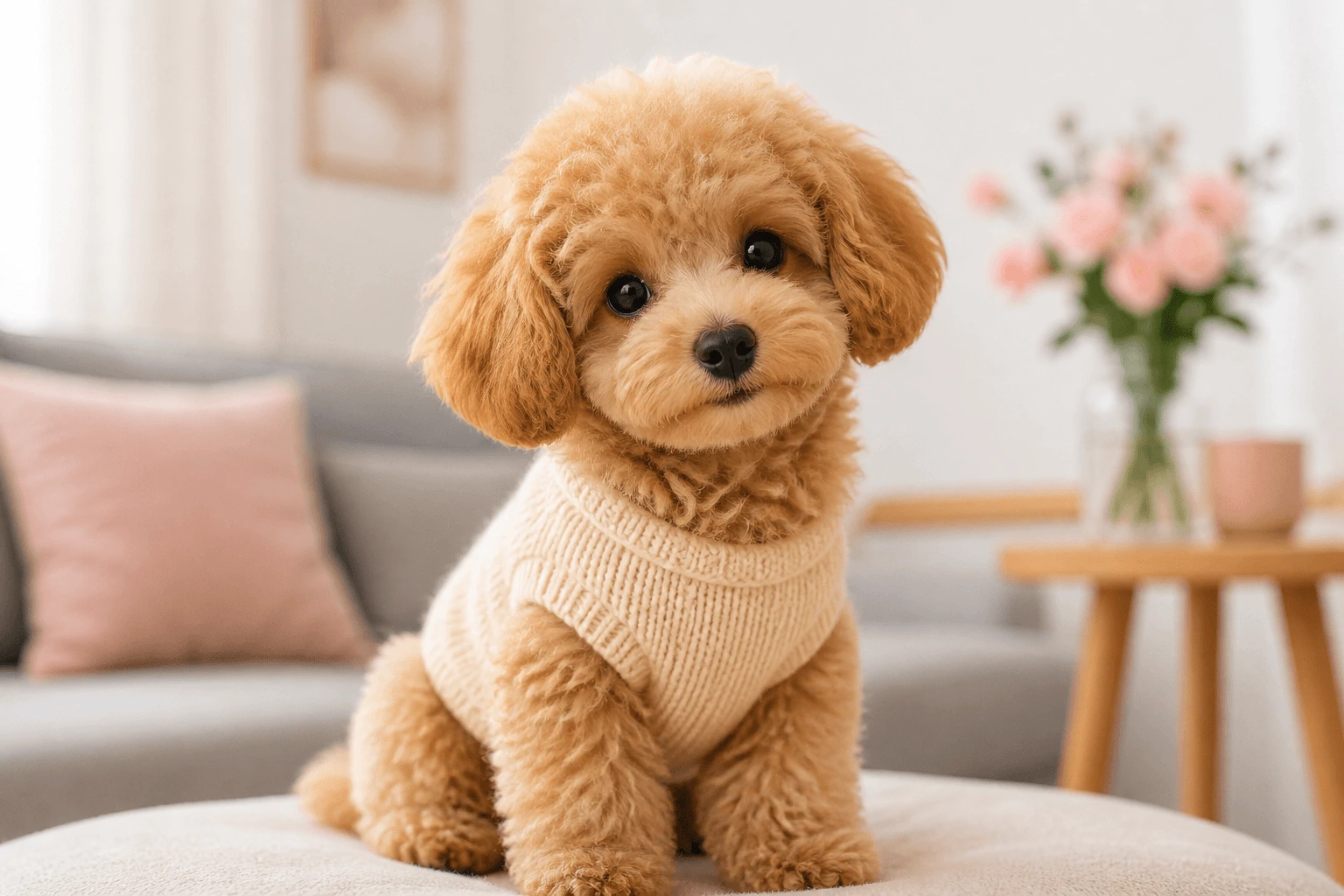
The Toy Poodle is a small-sized dog breed known for its high intelligence, energy, and affectionate nature. It is popular among pet owners due to its suitability for apartment living and trainability. This guide covers everything you need to know about Toy Poodle features, care, and feeding in a practical and applicable manner.
What is a Toy Poodle?
The Toy Poodle is the smallest variety of the Poodle breed. It typically weighs between 2-4 kg and stands 24-28 cm tall at the shoulder. Despite its small size, it has an athletic, playful, and alert build. It is also preferred due to its hypoallergenic coat.
Toy Poodle Features
Physical Features
Toy Poodles have a delicate and balanced body structure. Their curly, dense coat makes them both charming and attention-grabbing. Coat colors can include white, black, brown, gray, and cream tones.
- Compact and sturdy body
- Curly and non-shedding coat
- Dark and lively eyes
- Long and slender legs
Temperament and Behavior
The most notable feature of this breed is its intelligence. Toy Poodles are quick learners and eager to please their owners. However, they should not be mistaken for just a cute companion. Without mental stimulation, they can develop behavioral issues.
- Very intelligent and quick to learn
- Devoted and loyal
- High-energy and playful
- May be cautious around strangers
Toy Poodle Care
Coat Care
Toy Poodle care begins with coat maintenance. While their coat does not shed, regular grooming is essential to prevent matting. It should be brushed at least 3-4 times a week.
Professional grooming is recommended every 6-8 weeks. This ensures hygiene and comfort.
Bathing and Hygiene
Over-bathing can cause skin dryness. Bathing once a month is generally sufficient, though this may vary based on dirtiness. Ear cleaning and dental care should never be neglected.
- Bathe once a month
- Weekly ear checks
- Regular teeth brushing
Exercise Needs
Despite their small size, Toy Poodles have active lifestyles. Short walks and indoor play sessions are sufficient for their energy needs. Without adequate exercise, they may become restless.
Toy Poodle Feeding
Toy Poodle feeding is critical for a healthy lifestyle. Small breeds have fast metabolisms, so balanced and high-quality food should be chosen.
How to Feed?
High-quality dry food with high protein and nutrient content should be preferred. Portion control is also crucial as Toy Poodles are prone to weight gain.
- Choose high-quality dry food
- Feed in measured portions
- Ensure fresh water is always available
Feeding Chart
| Age | Meal Frequency | Food Type |
|---|---|---|
| 2-6 months | 3-4 meals | Puppy food |
| 6-12 months | 2-3 meals | Puppy food |
| 1 year and older | 2 meals | Adult dog food |
Common Feeding Mistakes
Many owners give excessive amounts of food due to their small size, which can lead to serious weight issues. Additionally, feeding human food can harm the digestive system.
Training and Socialization
Toy Poodle training is relatively easy. Positive reinforcement methods yield quick results. If not socialized early, they may become shy or overly vocal.
- Basic obedience training should start early
- Use rewards and motivation
- Expose to different environments
Health Status and Precautions
While generally healthy, they may be prone to certain genetic conditions. Regular veterinary check-ups reduce these risks.
- Patellar luxation
- Dental problems
- Eye diseases
Early detection is crucial for many issues. Annual general check-ups are recommended.
Things to Know Before Adopting a Toy Poodle
Adopting a Toy Poodle is a serious responsibility. They have a long lifespan of 12-15 years and require consistent care, attention, and love.
Busy individuals should plan for their solitude time. Otherwise, separation anxiety may develop.
Conclusion
A Toy Poodle can be an ideal pet with proper care and attention. Their intelligence, affectionate nature, and adaptability make them suitable for both new and experienced pet owners. However, their needs should not be overlooked, especially in terms of care and feeding for a long and healthy life.
Frequently Asked Questions (FAQ)
Do Toy Poodles bark a lot?
Yes, they can bark excessively if not properly trained. However, this behavior can be controlled with correct training.
Can Toy Poodles be left alone at home?
They can be left alone for short periods, but long periods may cause separation anxiety.
Do Toy Poodles shed?
No, they shed almost nothing. This makes them a good choice for allergy sufferers.
How long do Toy Poodles live?
Their average lifespan is between 12-15 years. Good care can extend their lifespan.
Is Toy Poodle care difficult?
With regular grooming, it is not difficult. However, neglect can make it time-consuming.